
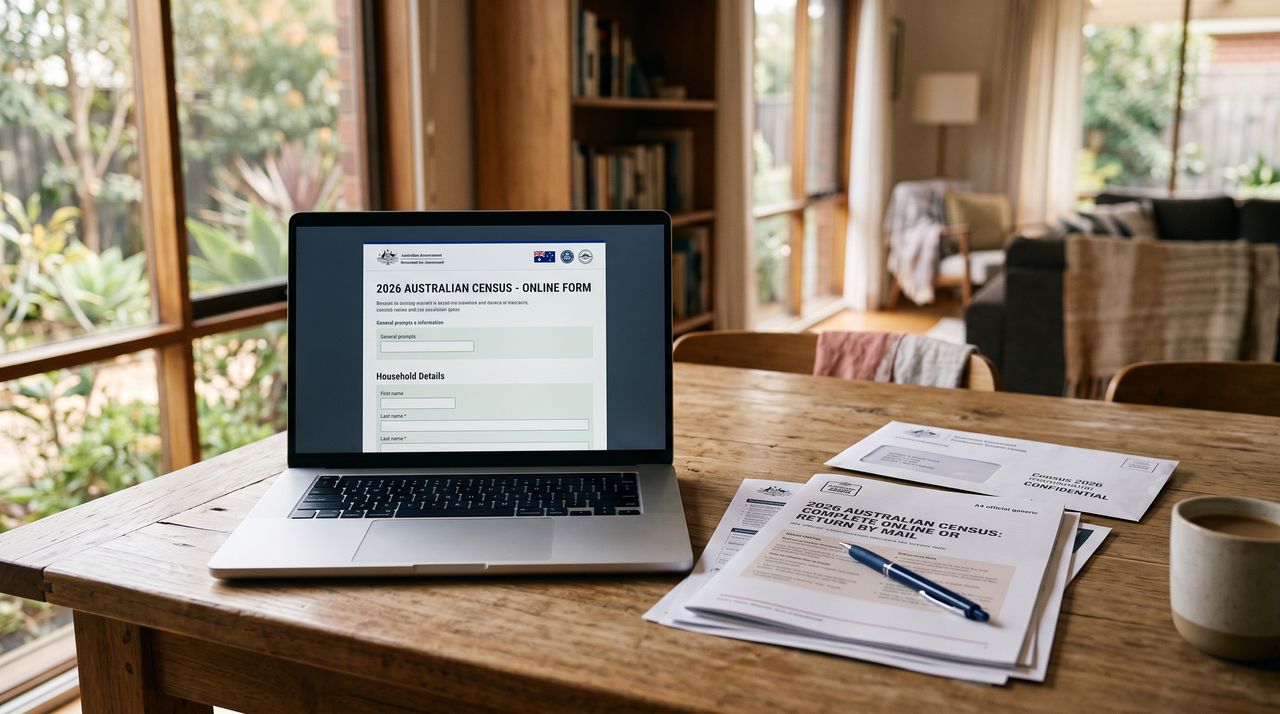

Every five years, the Australian Bureau of Statistics (ABS) takes a snapshot of Australia through the Census. The last one was held in 2021, which means households across the country are being contacted again in 2026.
The information collected helps show how Australia’s population and households are changing and is used to plan services and infrastructure, from schools and hospitals to transport and housing.
This guide answers the key questions about the 2026 Census, including when to complete it, who needs to be counted, what happens if you’re late, fines, privacy and what to do if you’re away from home.
The ABS also has a handy guide to doing the Census. It’s a useful overview, but we’ve gone a little further below by answering some of the practical questions it doesn’t cover.
If you’re unsure how the Census rules apply to your situation, call the Census Contact Centre on 1800 181 227 for advice.
When is the 2026 Census in Australia?
Census night for the 2026 Census is Tuesday August 11 2026. Think of it as the snapshot date: questions about where you’re staying and who’s in your household should reflect Tuesday night.
You can complete the form earlier if you’ve received your instructions and already know where you’ll be on August 11. If your plans are still up in the air, it’s better to wait until you know where you’ll be staying.
Can you complete the Census after Census night?
Census night isn’t a hard submission deadline. If you haven’t completed the form on Tuesday August 11, you can still submit it on Wednesday, Thursday, Friday or later.
The ABS continues collecting forms and following up with households after Census night, so if you’re late, complete it as soon as you can.
Is the 2026 Census compulsory in Australia?
Yes. Completing and submitting the 2026 Census is compulsory under the Census and Statistics Act 1905. But being late doesn’t automatically mean you’ll be fined.
The ABS first follows up with people who haven’t completed their form. If someone still doesn’t respond, they may be sent a written direction formally requiring them to provide the information. Ignoring that direction can lead to prosecution and a fine.
How much is the fine for not completing the Census?
If you’ve received a written direction and still don’t comply, you can face a fine of up to AU$364 for each day you don’t comply.
You can find more detail on the ABS’s penalty provisions page.
Who needs to complete the 2026 Census?
The Census is designed to count everyone who’s in Australia on Census night. That includes babies and children, international students, visitors and visa holders.
That doesn’t mean everyone fills out their own form. In most homes, one person completes the household form for everyone staying there that night.
What if you don’t have a fixed address?
You should still be included in the Census. If you’re experiencing homelessness, the ABS provides Census field staff and other support to help you take part. If you’re staying with someone on Census night, you can be included on their household form.
If you’re travelling around Australia without a fixed or return address, such as camping, or in a caravan or boat, you still need to be included in the Census.
You’ll generally be counted where you’re staying on Census night. A caravan, tent or boat can be counted as your dwelling for the night, including at a caravan park, camping ground or marina.
If you don’t have a usual address, the 2026 Census form lets you record that. For the usual-address question, the ABS says to select Elsewhere in Australia, choose Enter address manually and enter None in the suburb/locality box.
How do you complete the 2026 Census?
For most households, the process starts with instructions to complete the Census online. These include a Census number and temporary password you can use to access the form.
The ABS says the average household takes about 30 minutes to complete it.
What if you haven’t received or have lost your Census letter?
You can still complete the Census. If you haven’t received your instructions or no longer have them, you can get a Census number online or request a paper form.
Can you use a paper Census form?
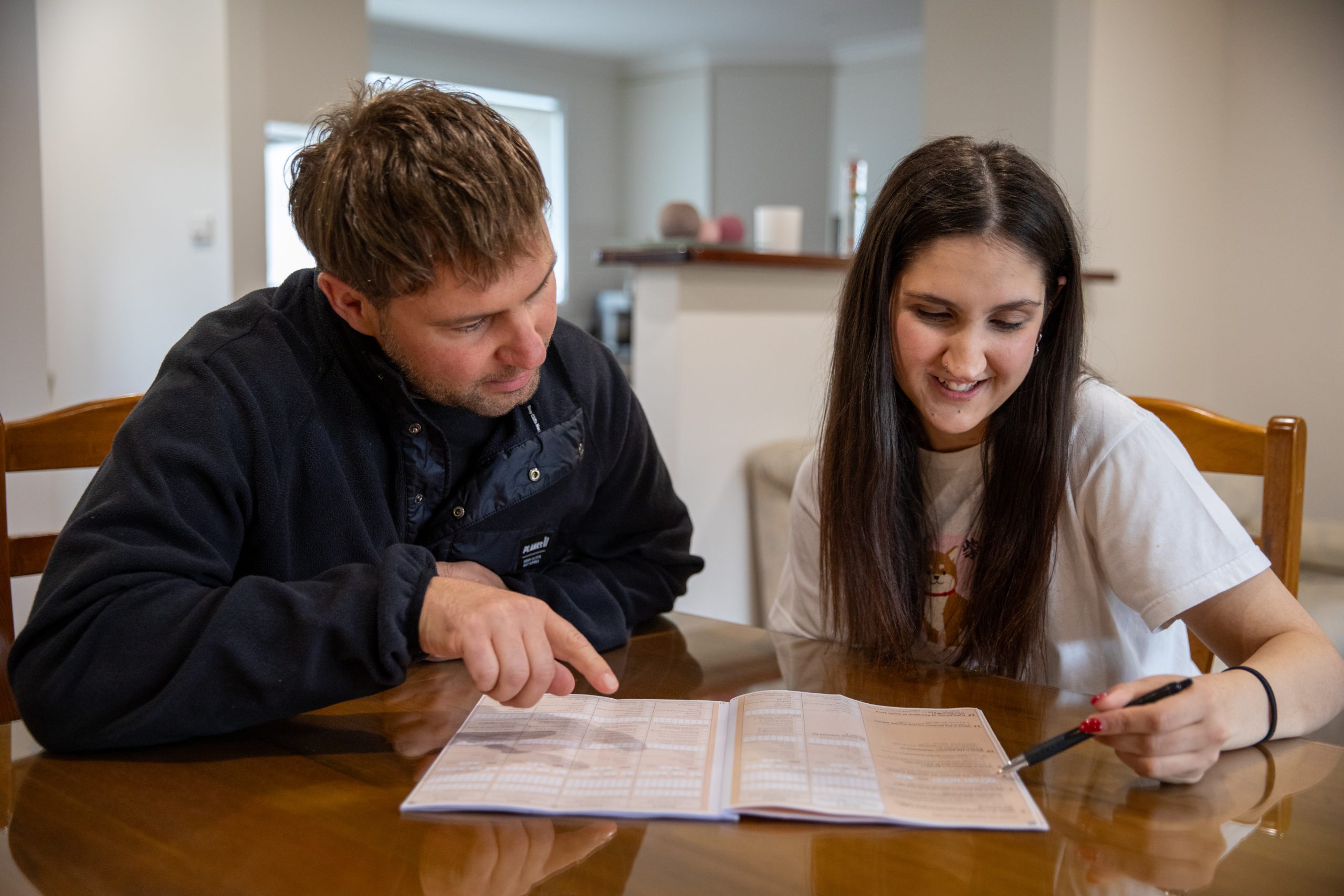
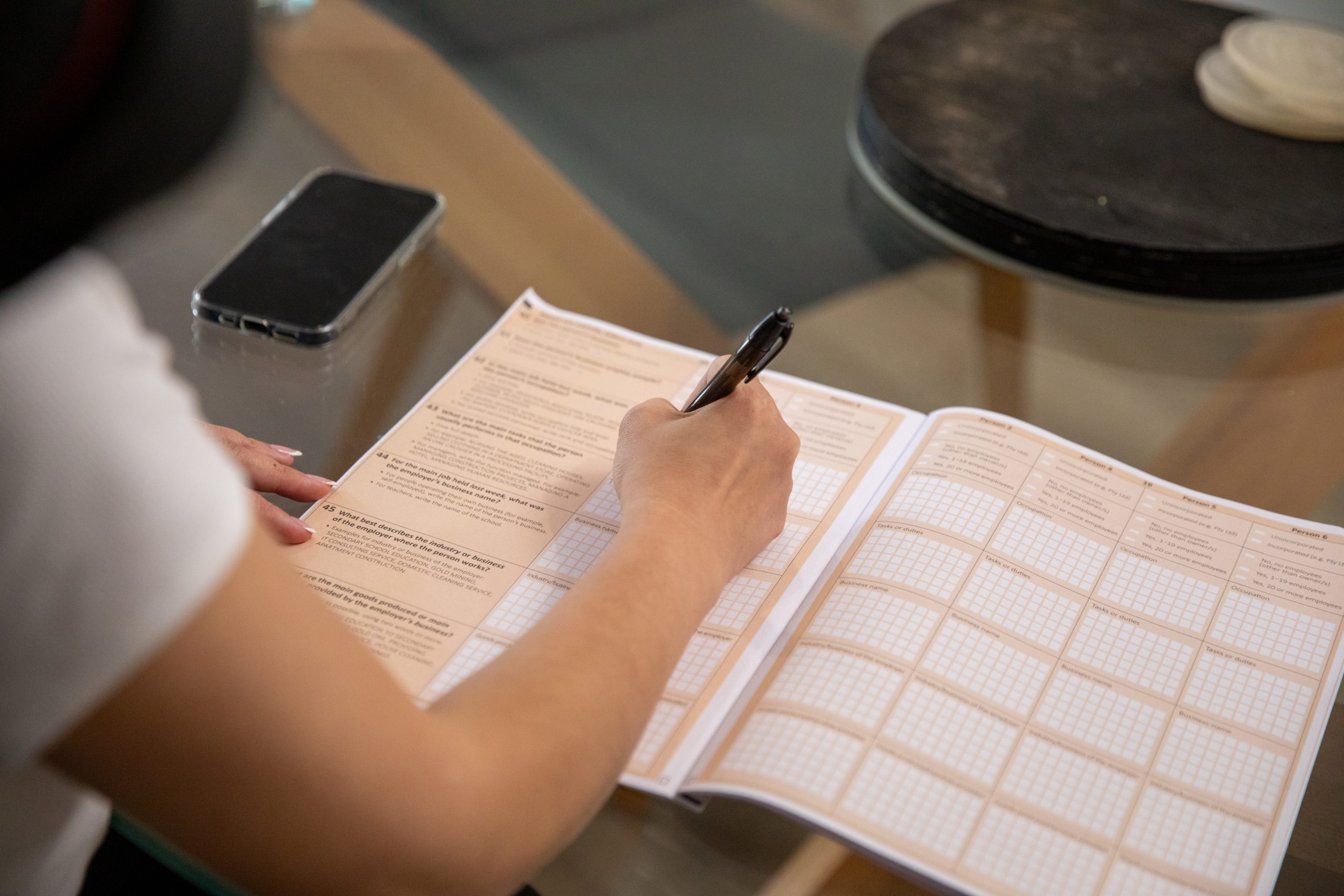
Yes. Paper forms are available to anyone who wants one. Some households will receive a paper form automatically, while others can request one if they’d rather not complete the Census online.
If you need help completing the Census, the Census website has support options, including language and accessibility support. You can also contact the Census Contact Centre on 1800 181 227.
What if there are more than six people in your household?
A paper Census form can include up to six people. If more than six people are staying at your address on Census night, you can complete the Census online or request an extra paper form.
Can you complete your Census answers privately?
Yes. If you don’t want other people in your household to see your answers, you can request a separate Census form and complete your information privately. The ABS explains how this works in its 2026 Census collection notice.
Can you change your Census answers after submitting the form?
Once a Census form has been submitted, the ABS says it can’t be reopened or edited.
We couldn’t find specific online guidance for what happens if you complete the Census early and your plans later change, so we called the ABS media line to clarify. The advice was to contact the Census Contact Centre on 1800 181 227. They’ll talk you through the options if your plans have changed or you’ve realised you made a significant mistake.
Separately, the ABS has processes for dealing with multiple responses. If more than one Census form is submitted for the same person, it keeps the one containing the most complete information about that person.
What if you’re away from home on Census night?
If you’re away from your usual home on Census night, you’ll generally be counted where you actually spend the night. Your usual address can record you as temporarily away.
That can include staying with friends or family or spending the night in a hotel, hospital or aged care home. The ABS also has arrangements for people travelling overnight by plane, train or bus.
If you’re temporarily overseas on Census night, you won’t be counted in the Census for that night.
What if you’re working on Census night?
If you’re working overnight but will return to your usual home on Wednesday August 12 and won’t be included on a Census form elsewhere, the ABS says you can be included on the form for your usual home.
How are FIFO workers counted in the Census?
Fly-in, fly-out (FIFO) workers who are staying at a worksite or camp on Census night should generally be counted there. For example, if you normally live in Perth but you’re at a mining camp in the Pilbara, you’d be counted at the camp and listed as temporarily away from your usual address in Perth.
Why might a Census field officer visit your home?
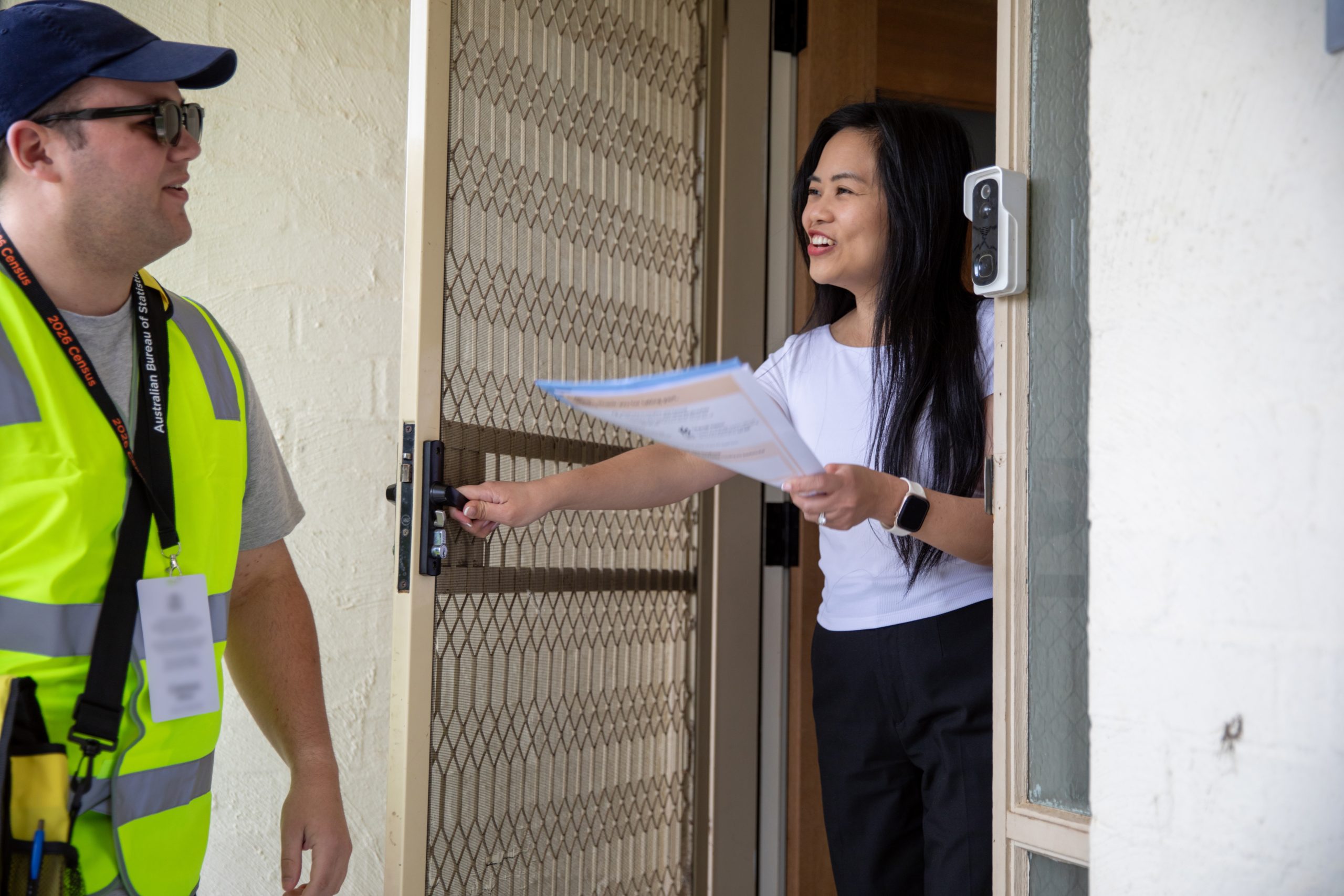
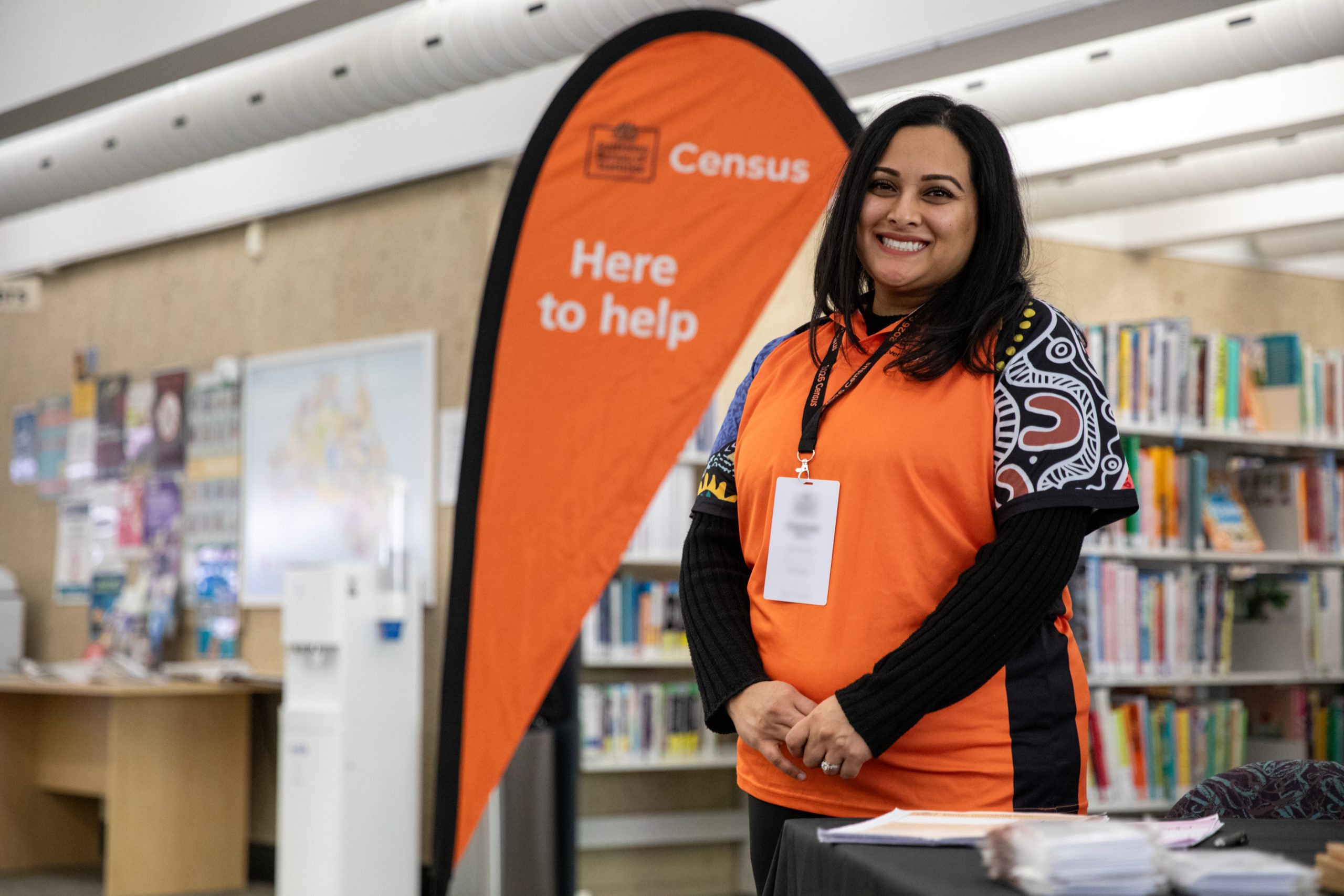
Census field officers may visit homes to deliver letters or forms, help people complete the Census or follow up after Census night where a completed form hasn’t been received.
So a knock at the door doesn’t automatically mean there’s a problem. In some areas, field visits are simply part of how the Census is carried out.
How can you check if a Census worker is genuine?
If someone claiming to work for the Census contacts you and you’re unsure whether they’re genuine, verify them through official ABS channels rather than relying on the contact details they give you. Use the official Census website or call the Census Contact Centre on 1800 181 227.
How can you tell if a Census text, email or website is genuine?
The same caution applies to texts, emails and websites. The ABS says genuine Census text messages use the sender ID CENSUS, while texts about other ABS surveys use ABSGov. The official Census website uses a .gov.au address.
If a message doesn’t look right, don’t use the link it contains. Go directly to the official Census website. The ABS also has online safety guidance.
What questions are on the 2026 Census?
The 2026 Census contains 66 questions covering areas such as your household, age, cultural background, education, work and income, housing, religion and people who are away on Census night.
You can see the full breakdown in the ABS’s 2026 Census topics and data release plan.
What’s changed in the 2026 Census?
One of the biggest changes in 2026 is the addition of questions about gender and sexual orientation. Everyone is asked about their sex as recorded at birth, while people aged 16 and over are also asked about their gender and how they describe their sexual orientation.
The ABS says the change is intended to build a clearer picture of Australia’s LGBTQ+ population and help inform health and community services. If you’d prefer not to answer, both the gender and sexual orientation questions include a prefer not to answer option.
People can also report up to four ancestries in the 2026 Census.
Do you have to answer every Census question?
No. The question about religion is explicitly marked as optional on the 2026 Census form.
The gender and sexual orientation questions for people aged 16 and over also include a “prefer not to answer” option. So, while taking part in the Census itself is compulsory, that doesn’t mean every question requires you to provide a particular answer.
Is your 2026 Census information private?
Yes. Census information is protected by law, and the ABS says it doesn’t share identifiable information from your Census form with other government departments or direct marketing companies.
That means your individual Census answers aren’t handed to the Australian Taxation Office (ATO) to check your tax return or to Centrelink to check your eligibility for a payment.
You can read more in the ABS’s 2026 Census Privacy Statement.
Is the Census anonymous?
No. The Census isn’t anonymous because it asks for names and addresses. However, the ABS separates names and addresses from other Census information after processing.
When will the 2026 Census results be released?
The first 2026 Census results are due to be released in June 2027, with further data releases continuing into 2028.
Census data will be free to access through ABS tools including QuickStats, TableBuilder and ABS Data Maps.
![[Aggregator] Downloaded image for imported item #166507](https://kcmicro.com/wp-content/uploads/2026/08/hySqAcuSrjahcQDLNXaEwi-1280-80-800x500.jpg "[Aggregator] Downloaded image for imported item #166507")
![[Aggregator] Downloaded image for imported item #166346](https://kcmicro.com/wp-content/uploads/2026/08/ZhK7evMpRTH8GbmwuPhQWh-1280-80-800x500.png "[Aggregator] Downloaded image for imported item #166346")
![[Aggregator] Downloaded image for imported item #166283](https://kcmicro.com/wp-content/uploads/2026/08/ET4VyCyTg9zEbZxqMY7Q3M-1280-80-800x500.jpg "[Aggregator] Downloaded image for imported item #166283")