

- Flock is making it harder for its systems to be abused
- Its CEO says the company’s priority is public safety
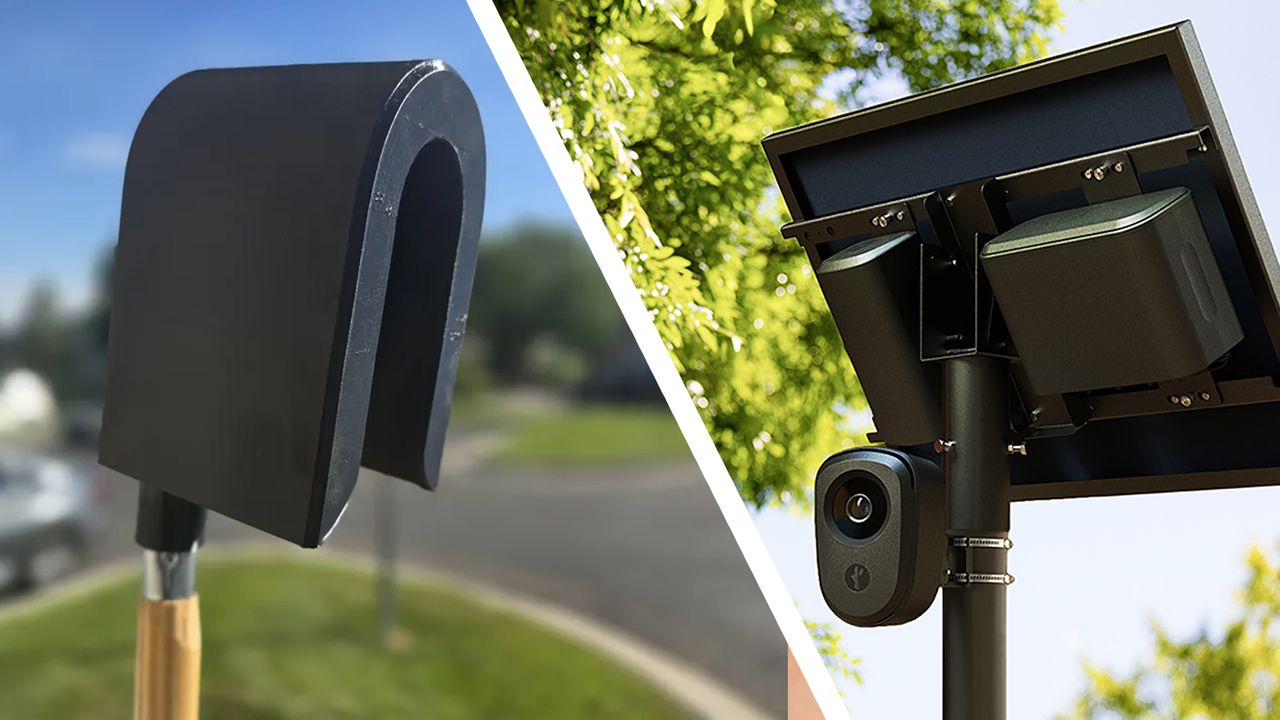
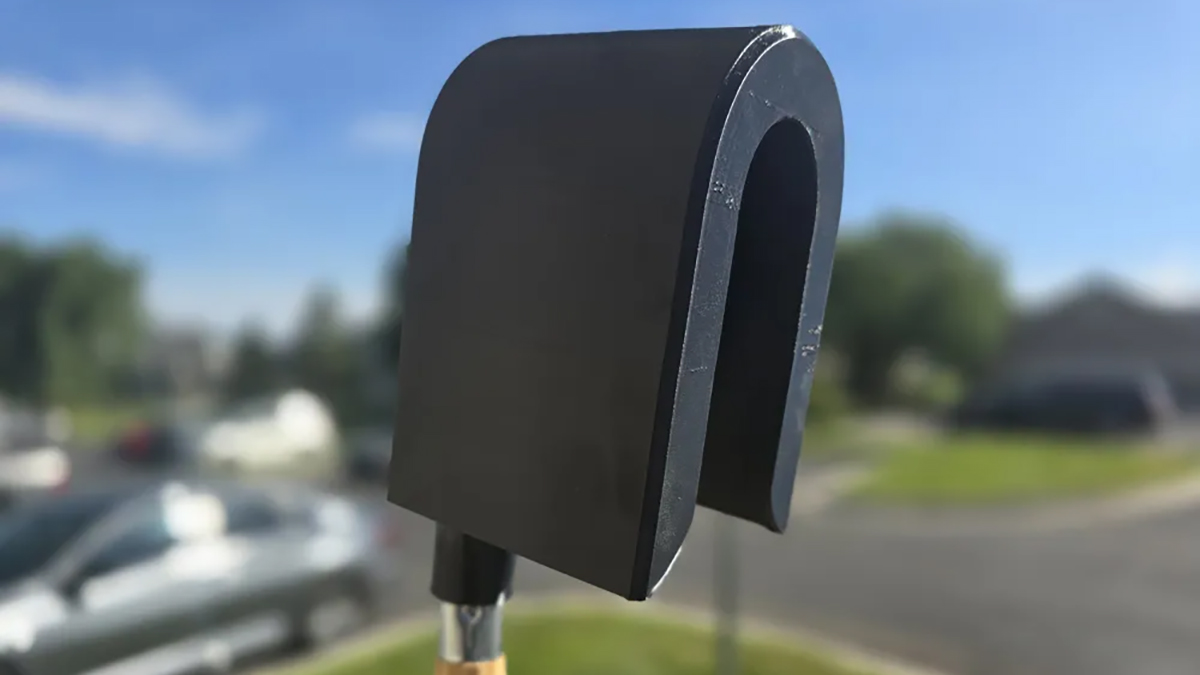
- You can now 3D print a Flock Sock to disable cameras near you
Flock knows that its license plate readers and other surveillance tech are facing a substantial backlash from citizens and privacy groups, and it’s now rolling out upgraded safety guardrails to protect against its systems from being misused — while CEO Garrett Langley says “we’re not Big Brother”.
That line comes from an interview with Bloomberg, in which Langley says his company’s cameras are built to improve public safety and reduce crime. They’re also now going to be subject to tighter restrictions, including more controls over the information that Flock’s customers can share with other agencies.
Data logged by the license plate readers will now be kept for 7 days rather than 30 by default, Flock says, while the recently introduced Audit Assistance tool — which watches out for “abnormal activity” on Flock systems — will be made compulsory rather than optional. Accounts involved in this activity will be automatically suspended, too.
In addition, specific case codes will be required for law enforcement searches, and Flock is improving the security protocols around its data. The company also says it’s committing to making its privacy policies easier to understand, and being more transparent about how its systems are being used.
In a separate interview with CNN, Langley said “I’m sorry the system has failed you” in response to a question asking him for his message to people who feel they’ve been victimized by the company’s technology. “I’m sorry that you no longer trust the police department that’s job is to protect you” he added.
Unlawful tracking
As highlighted by rights organizations like the Electronic Frontier Foundation, Flock cameras have previously been used for purposes outside their approved remit: to track protestors, for example, and women seeking abortions. Police officers have also used the tech to stalk people they’ve been in a relationship with.
Whether these latest changes will help remains to be seen. Flock’s 120,000 license plate readers are now being used by some 6,000 law enforcement agencies and around 1,000 private companies (including FedEx), and the company is also making moves into other areas, such as drones for first responders.
Meanwhile, a sizable number of the general public aren’t too happy at having their license plates scanned and logged automatically. There have been numerous reports of Flock cameras being smashed up or otherwise disabled in protest, amid worries that the surveillance capabilities of this network go way beyond crime prevention.
One enterprising inventor has even gone as far as making a ‘Flock Sock’, a 3D-printed design that you can pop over a license plate reader to stop it from recording anything. Rather cleverly though, it’s marketed as a way of protecting these cameras from sunlight: “The very least you can do is help protect these valuable civil servants from getting a bad sunburn.”
![[Aggregator] Downloaded image for imported item #167936](https://kcmicro.com/wp-content/uploads/2026/08/fFoMeDF6W3WoQiiwUufqzR-1280-80-800x500.png "[Aggregator] Downloaded image for imported item #167936")
![[Aggregator] Downloaded image for imported item #167943](https://kcmicro.com/wp-content/uploads/2026/08/mXSuzxM6LqjP3BH7Phzu4S-1280-80-800x500.jpg "[Aggregator] Downloaded image for imported item #167943")
![[Aggregator] Downloaded image for imported item #72754](https://kcmicro.com/wp-content/uploads/2025/12/YQaVTQE6JAfu6bvPgwmd5U-1280-80-800x500.jpg "[Aggregator] Downloaded image for imported item #72754")