
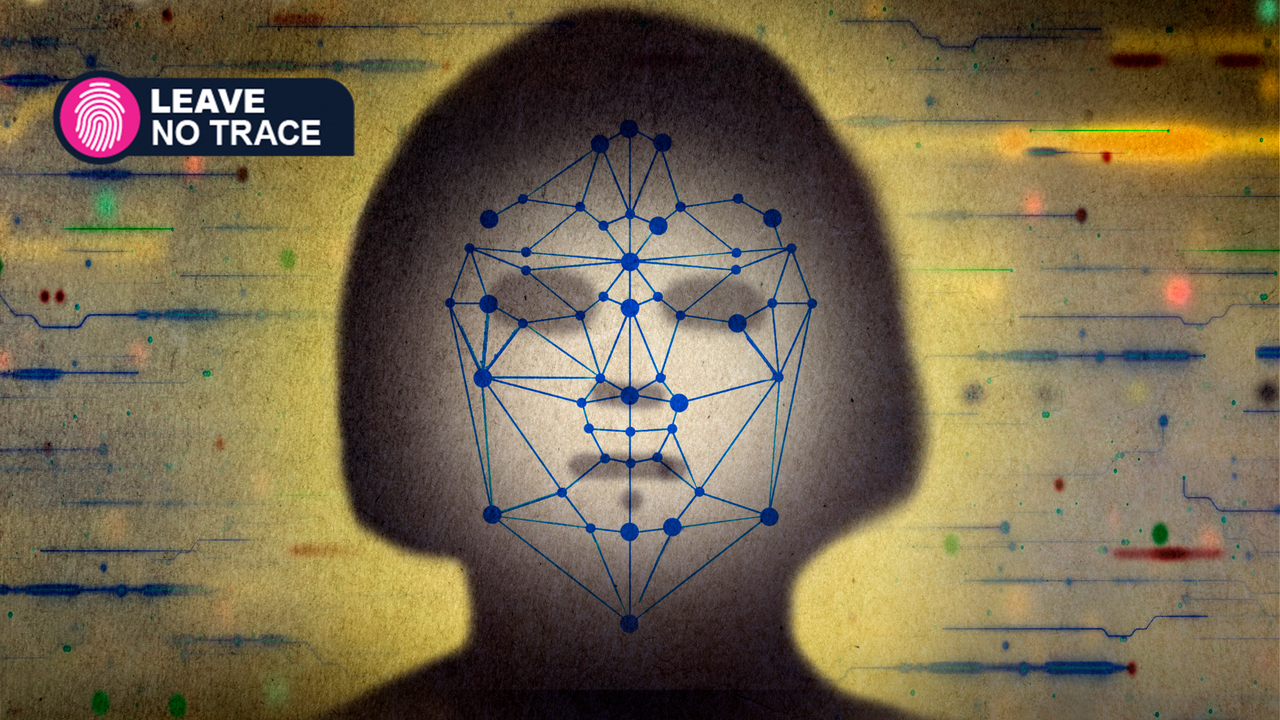

Imagine attending a peaceful demonstration, only to have hidden cameras scan your face, match your identity, and log your details into a police database within seconds. This scenario is at the heart of a debate that reignited in Italy last week, highlighting a high-stakes clash between public safety and personal privacy.
Although Italian lawmakers passed the bill on Tuesday with added safeguards, the decision reflects Europe’s expanding appetite for biometric monitoring. A practice Europeans once watched unfold with dread in authoritarian states is now quietly taking root at home.
From London and Paris to Amsterdam and Berlin, police forces across democratic Europe are increasingly piloting AI-powered face-scanning in public spaces and at political demonstrations.
While European leaders frame the technology as a necessary tool to combat crime, privacy advocates warn that facial recognition creates a chilling effect on the right to peaceful assembly and free expression. And the long-term risk may be even more troubling: once facial recognition is normalized, expanding its reach may be the next natural step.
How police in Europe use facial recognition at protests
Facial recognition technology (FRT) is a biometric tool that uses AI to identify individuals by analyzing their facial geometry — such as the distance between the eyes or the contour of the jawline — against a database. This software creates a unique digital signature, often called a “faceprint,” which can be integrated directly into CCTV networks, drones, apps, and mobile police units.
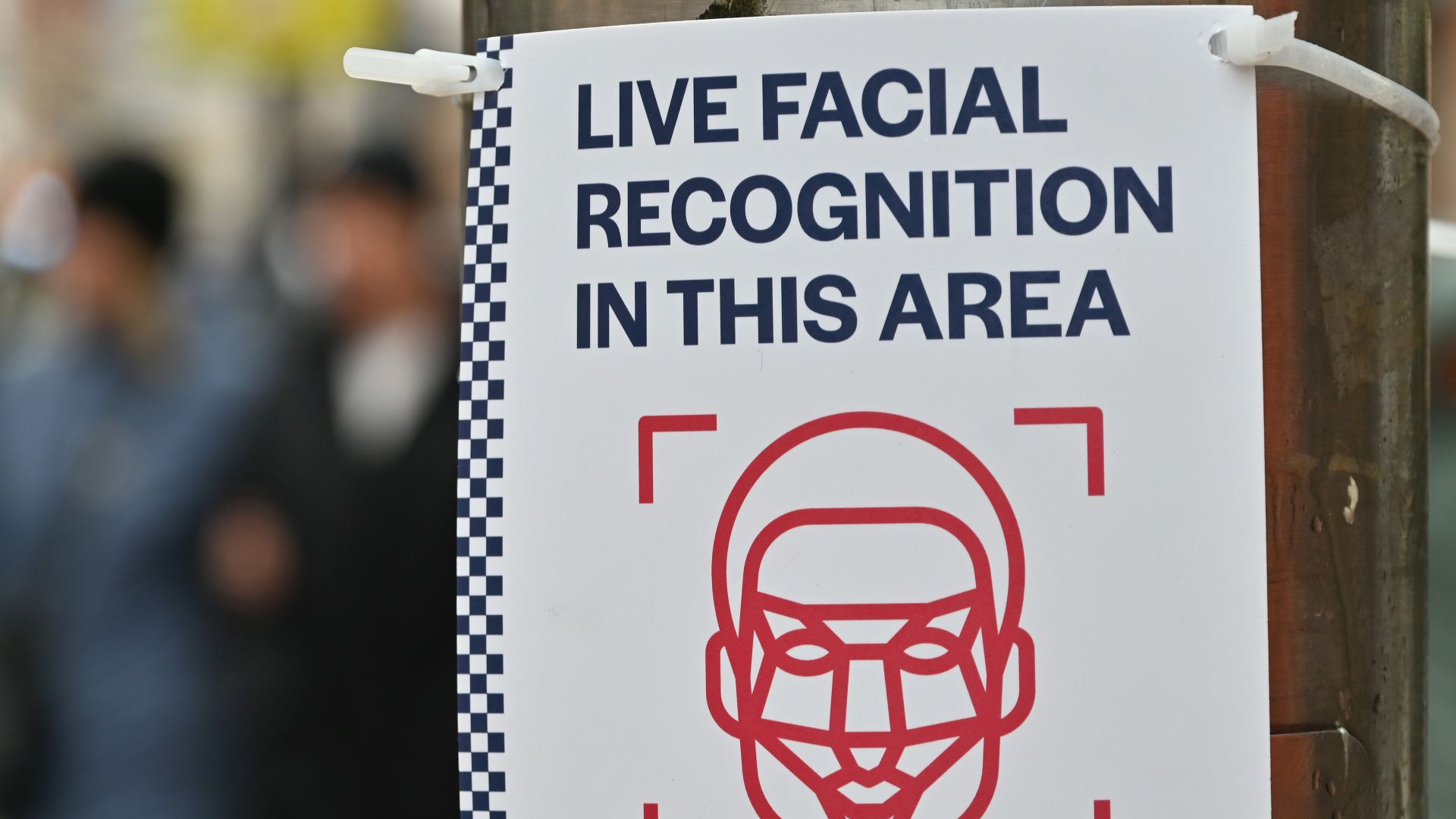
Law enforcement deploys FRT in several ways, with Live Facial Recognition (LFR) being the most controversial. LFR scans real-time video feeds to cross-reference passersby against police watchlists almost instantaneously.
Despite significant legal pushback — including a landmark 2020 UK Court of Appeal ruling that found South Wales Police’s deployment unlawful — London’s Metropolitan Police deployed LFR across two major demonstrations last May.
Similarly, Hungarian authorities used biometric scanning to monitor participants during the 2025 Budapest Pride March.
By contrast, retrospective facial recognition (RFR) functions more like traditional fingerprinting. Rather than scanning crowds live, police analyze recorded footage or photographs after an event to identify suspects.
This is the technology Italian lawmakers attempted to regulate last week, though police forces across the UK, France, the Netherlands and other European nations have already routinely deployed it.
At first glance, RFR might appear less intrusive — simply another investigative tool for law enforcement to access when necessary. However, human rights experts argue the distinction is misleading.
According to Chloé Berthélémy, Senior Policy Advisor at European digital rights network EDRi, the difference between live and post-event scanning is “largely a procedural distinction.”
Speaking to TechRadar, Berthélémy warned: “In human rights terms, there is no salient difference between real-time and post-remote biometric identification. Threats posed to rights and freedoms are not reduced just because authorities or companies have extra time to review footage.”
Berthélémy also cautions against the rise of Algorithmic Video Surveillance (AVS) — a system she labels “fundamentally unreliable.” AVS uses AI software to analyze live video feeds and automatically flag suspicious or dangerous behavior.
Unlike facial recognition, AVS doesn’t log facial features. Instead, it is trained to detect behavioral anomalies and physical triggers, such as sudden crowd surges, unattended luggage, weapons, fires, or individuals falling.
The 2024 Paris Olympic Games served as a testing ground for this technology, making France the first EU member state to legalize AI video analytics.
What European law says about facial recognition and our right to privacy
While facial recognition technology poses a risk to personal privacy, explicit statutory frameworks governing its use remain scarce.
Despite nearly a decade of police trials, the UK still lacks specific legislation governing facial recognition — a gap that Jasleen Chaggar, Senior Legal and Policy Officer at Big Brother Watch, warns has created a “real legal vacuum.”
Chaggar explained to TechRadar that British police forces instead rely on a patchwork of common law precedents, existing data protection acts, and broader human rights legislation.
Although the UN Human Rights Committee called on the UK to end police facial recognition at protests, Chaggar notes that governments have resisted statutory regulation, citing police “operational independence.”
“This has effectively given police a very long leash to experiment with these technologies,” Chaggar told TechRadar. “And now we’re in a tipping point situation where it’s about to be expanded all over the country, and there’s a real necessity for those legal frameworks to be in place.”
❌We don’t consent to biometric ID checksPolice will be using live facial recognition at @boardmasters festivalThis tech doesn’t just record what you do, your face becomes a barcode in the same way as your fingerprint or DNA#StopFacialRecognition⤵️https://t.co/9do8SIF81t pic.twitter.com/VSgXMTuX1YAugust 6, 2026
In contrast, the European Union’s AI Act establishes a binding legislative framework across all member states. While offering greater legal clarity than the UK’s approach, digital rights campaigners view the legislation as only a partial victory.
Dr. Matt Mahmoudi, campaign lead for Amnesty International’s ‘Ban the Scan’ initiative, warns that failing to enact a total ban on public biometric surveillance creates broad national security exemptions that jeopardize fundamental rights.
“And it’s not just the right to privacy. It’s not just the right to protest and the freedom of assembly and expression. It’s also the right to equality and non-discrimination,” Mahmoudi told TechRadar.
The end of anonymous dissent?
Before facial recognition technology was deployed in public spaces, citizens attending demonstrations could rely on a degree of practical anonymity. Biometric surveillance fundamentally alters that expectation.
Digital rights experts interviewed by TechRadar agree that this level of intrusion steadily erodes civic space. The knowledge that your face is being scanned and cross-referenced against a police watchlist actively deters citizens from attending demonstrations.
“You may decide not to exercise your democratic rights because you’re afraid of how it might be perceived by the authorities,” Big Brother Watch’s Jasleen Chaggar explained.
Yet this chilling effect extends far beyond the physical cameras deployed at a single rally.
Facial recognition does not operate in isolation. It depends on extensive, often covert data harvesting. To construct watchlists, authorities aggregate imagery from diverse sources, including scraped social media profiles, government identity databases, police custody photos, CCTV archives, and commercial biometric databases.
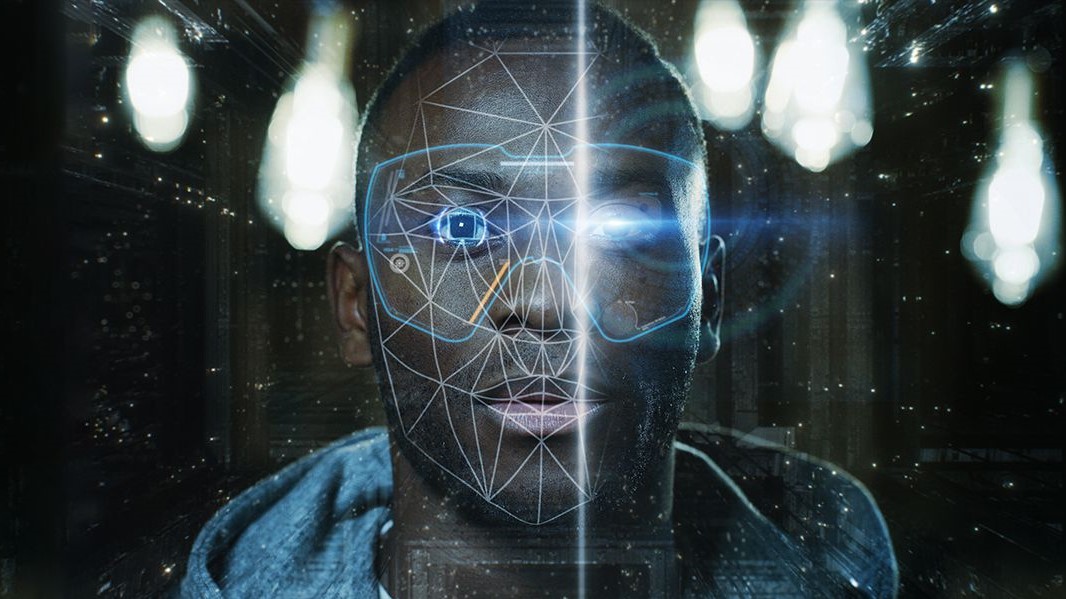
As Amnesty International’s Dr. Matt Mahmoudi explains, extensive data aggregation transforms ordinary digital footprints into a pervasive surveillance dragnet.
“Facial recognition is not a simple technology, but a system that effectively weaponizes your entire daily life,” Mahmoudi told TechRadar.
Beyond baseline privacy concerns, the underlying technology remains prone to systemic errors.
During eight pilot trials conducted by London’s Metropolitan Police between 2016 and 2018, 96% of initial alerts generated were false positives.
Academic research and independent audits consistently show that these algorithmic inaccuracies disproportionately target non-white individuals, women, and ethnic minorities.
The human cost of these algorithmic errors was starkly shown in 2024, when Metropolitan Police officers stopped and searched Sean Thompson — a Black anti-knife-crime campaigner — after live facial recognition software falsely matched his face to a watchlist.
Although computer vision algorithms have advanced in recent years, privacy campaigners emphasize that inherent system limitations remain. As Big Brother Watch’s Jasleen Chaggar highlights, because facial recognition relies on probabilistic matching — calculating similarity scores rather than absolute matches — the technology can never be entirely error-free.
Beyond faces: the evolution of biometric surveillance
Even as lawmakers scramble to regulate facial recognition, law enforcement’s appetite for public surveillance continues to expand.
In the UK, the growth is reinforced by stricter protest laws like the 2023 Public Order Act, with police monitoring group Netpol warning that enforcement will inevitably rely on an increased use of live facial recognition during demonstrations.
The Conservatives are also calling for greater use of the technology to investigate crimes, while Devon and Cornwall police have already confirmed the use of FRT during the upcoming Boardmasters Festivals.
The obvious immediate danger is that eliminating anonymous dissent could permanently reshape democratic participation. However, privacy advocates warn of an even broader threat: biometric surveillance expanding beyond simple identification into behavioral classification.
Border control authorities are already experimenting with pairing facial recognition with emotion detection and gait analysis — the automated tracking of how an individual walks — which campaigners say could be used to target political demonstrations.
Amnesty International’s Dr. Matt Mahmoudi says that normalizing facial recognition paves the way for other speculative tools that could “fundamentally erode the presumption of innocence.”
This rapid technological expansion forces a fundamental question upon democratic societies: how much liberty are citizens expected to trade for security? When scanning a crowd becomes routine policing, public squares risk morphing from spaces of free expression into arenas of perpetual surveillance — where a face is only the initial data point.
![[Aggregator] Downloaded image for imported item #164989](https://kcmicro.com/wp-content/uploads/2026/08/Jaiowssb8a7ve4DfzSkRmj-1280-80-800x500.jpg "[Aggregator] Downloaded image for imported item #164989")
![[Aggregator] Downloaded image for imported item #164994](https://kcmicro.com/wp-content/uploads/2026/08/RWqbZ6CnqhmFhoZnbwieCR-1280-80-800x460.jpg "[Aggregator] Downloaded image for imported item #164994")
![[Aggregator] Downloaded image for imported item #67930](https://kcmicro.com/wp-content/uploads/2025/11/GJ8T4oA8G7TYJwTEhkwJAF-1280-80-1-800x500.jpg "[Aggregator] Downloaded image for imported item #67930")